Originally reported by Zen for PANews on November 12, 2026, at 15:00 (UTC+8). The migration and product launches below were plans at the time of publication, not completed events.
ZetaChain planned to shut down its independent Layer 1 at block 20,755,000, expected on December 9, 2026, and migrate native ZETA balances to Solana at a 1:1 ratio. A governance proposal approved on November 7 also set out changes to ZETA’s supply and a shift toward ZetaLabs, a crypto-focused AI product.
What changes for ZETA holders?
At the planned shutdown, validators would stop and the Layer 1 would not restart. A snapshot would record wallet balances, delegated stake, balances being unstaked and unclaimed rewards. Staking rewards would stop accruing at the snapshot block; users would not need to unstake beforehand.
ZetaChain planned to issue an SPL version of ZETA on Solana matching the native ZETA recorded in the snapshot, then revoke its minting authority. Holders using the official migration process and ZetaHub would connect their existing wallet, sign a message containing a Solana receiving address and claim the corresponding tokens. The stated minimum claim was 10 ZETA, with no claim fee or advance SOL balance required. Exchanges would handle conversion for customers holding ZETA on their platforms, subject to each exchange’s timetable.
Other assets on ZetaChain have different treatment. Holders of ZRC-20 cross-chain assets could request a return to their originating chain through ZetaHub from December 9; the plan covered nine originating networks and set a $5 minimum claim per asset. Holders of wrapped ZETA or liquidity-pool positions were told to unwrap or exit before the snapshot and move assets to a personal wallet, because those contract-held assets could not be claimed by signing from an ordinary wallet address. The existing ERC-20 version of ZETA on Ethereum was not part of this migration.
At the time of reporting, ZetaChain said Hacken was independently auditing the Solana distribution program and claim service, with reports to be published before the migration page opened. It also planned to publish snapshot and verification data, minting records and program-verification information. ZetaScan would remain available for historical searches, with a read-only archive node retained until at least October 31, 2027.
The proposed supply reset
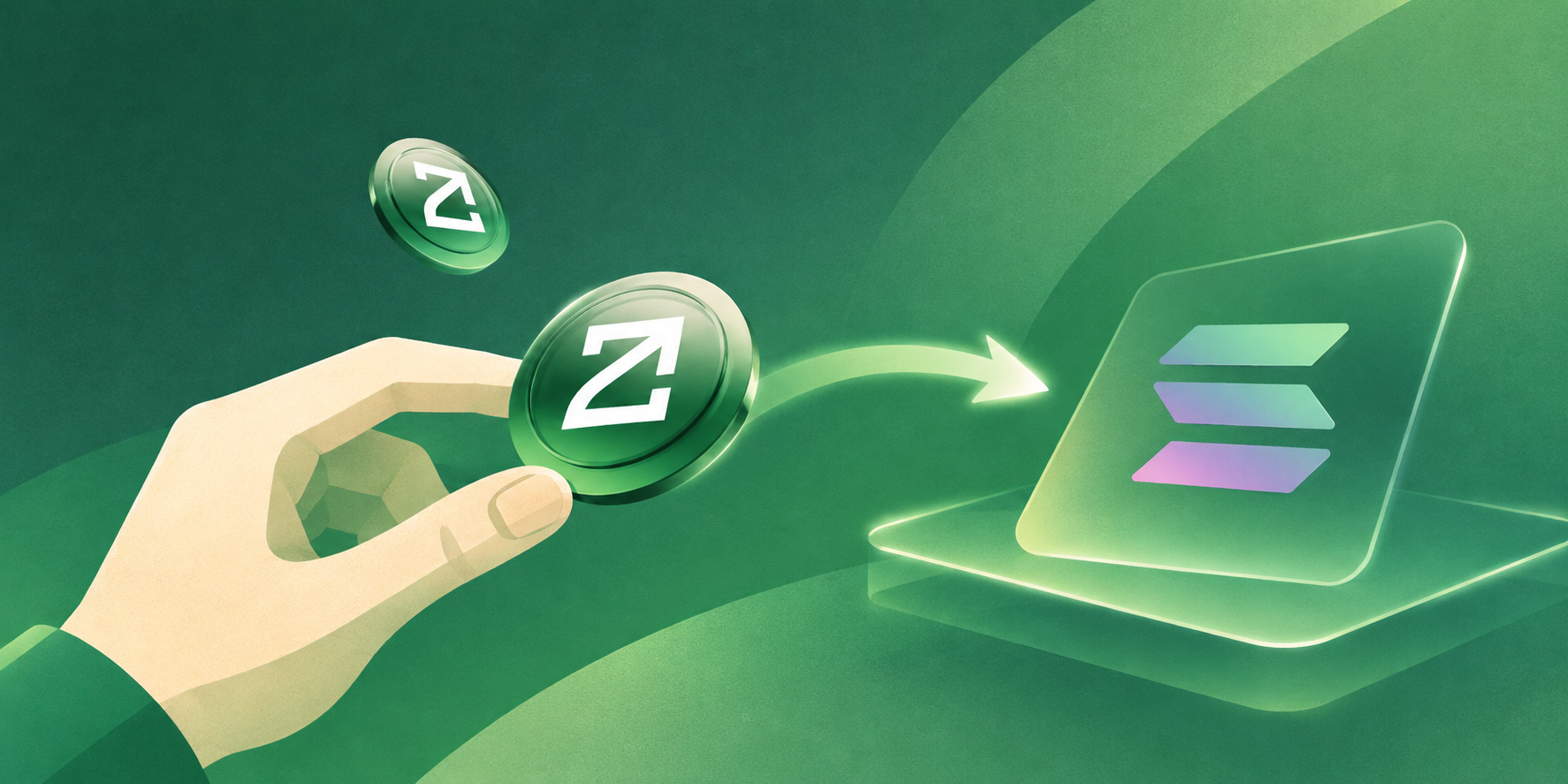
Of ZETA’s original 2.1 billion maximum supply, 210 million tokens had been allocated to validator incentives. ZetaChain said roughly 155 million would have been released as block rewards by the snapshot, leaving approximately 55 million undistributed. Rather than distribute the remainder after validators shut down, it planned to burn it in monthly installments from January through December 2027, at about 4.6 million tokens per month. The previously planned 2.5% annual inflation mechanism, due to begin in the mainnet’s fourth year, would not be implemented.
Existing allocations to purchasers and advisers totaled 336 million ZETA, while core contributors were allocated 472.5 million. About 94.4% of those allocations had unlocked at the time of reporting. Their final scheduled unlocks were set for December 1, 2026, and January 1, 2027, respectively. Separately, the ZetaChain Foundation committed not to sell newly released tokens from its User Growth Pool, Ecosystem Growth Fund, Protocol Treasury or Liquidity Incentives allocations during 2027. That commitment concerns sales of those tokens; it is not a cancellation of their releases.
From network token to product token
On the retiring Layer 1, ZETA served as a gas and staking token. Solana transaction fees instead use SOL, so the proposed role for ZETA moves to ZetaLabs: discounted payment for AI services and access to additional reports and features; Premium access through locking ZETA, planned from the first quarter of 2027; and votes on product choices such as supported markets, data sources and AI models. ZetaChain said locked tokens would remain the user’s property and withdrawable only by their wallet.
ZETA would not be required for basic use. The stated plan included a daily free allowance, with additional AI calls and research services payable in ZETA, USDC or by credit card. These are proposed product uses, not evidence of demand for them.
ZetaLabs builds on Anuma Chat, which ZetaChain launched in February 2026 with access to multiple AI models and a private memory layer. Its December 9 roadmap listed Chat, a personalized market feed called Radar, a Solana wallet-activity feature called Bloom, and a ZETA Dashboard. A transaction-explanation tool called Lens was planned for the first quarter of 2027. For that quarter, ZetaChain also outlined Zeta Intelligence for research using a user’s private memory and Zeta MCP for third-party access to ZetaLabs tools, with memory access subject to user authorization.
ZetaChain described its Private Memory Layer as encrypting users’ chats, research and memory under user-held keys, so models receive information needed for a particular question rather than a complete history. It also identified open interfaces and payment standards such as x402 as part of its longer-term direction. Those roadmap and privacy descriptions state the project’s plans; the November report did not establish that the planned features had launched.
Source: panewslab.com (originally published 2026-11-12 15:00 UTC+8)