Hong Kong crypto market maker Auros, which handled more than $1.3 trillion in trades in 2025, was gradually winding down operations, CoinDesk reported, citing people familiar with the matter. As of November 27, 2026, Auros had not responded to a request for comment. Neither the reason nor the timetable was clear, and the company had not confirmed the wind-down.
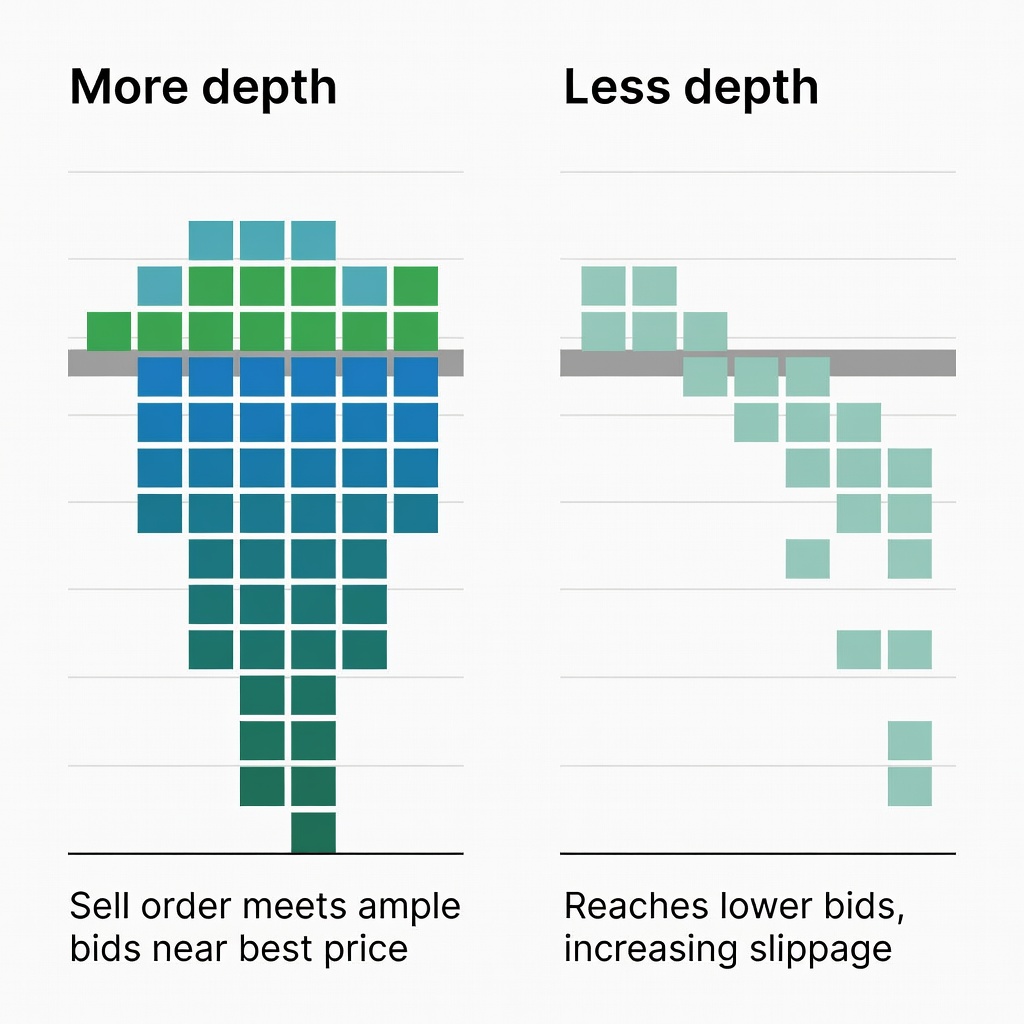
The pressure on other market makers is better documented. PANews reported that a number of small and midsize firms stopped making markets in the first half of 2026. Some put their own capital into AI trading instead; others disbanded. For traders, the departures matter most in tokens that already have few standing orders to buy or sell.
From the FTX collapse to an institutional trading portal
Founded in 2019, Auros ranked among the world’s five largest crypto market makers at its peak and employed more than 100 people. It had survived an earlier liquidity crisis: the collapse of FTX left about $20 million of its assets stuck on the exchange. Unable to repay loans on time, Auros defaulted and entered court-supervised provisional liquidation in the British Virgin Islands. It kept operating while negotiating with creditors. A $17 million funding round led by Vivienne Court in March 2023 and a debt restructuring allowed it to exit provisional liquidation.
By 2024, Auros accounted for about 4% of global crypto exchange trading volume. In 2025, its busiest day saw $18.2 billion in trades. It also expanded beyond market making. In 2024, it set out a two-year plan to invest more than $50 million of its own money in ventures; its investments included Pyth and Berachain. In September 2026, it launched Aurora, a portal intended to give institutions a single point of access to liquidity on centralized and decentralized exchanges.
Why thinner order books matter
Market makers post prices at which they are willing to buy and sell. The difference between those prices, or spread, is a source of revenue, but the firm carries the risk that the assets it holds will move against it. Fewer trades mean fewer opportunities to earn that spread.
During the downturn, spot and derivatives volumes fell, some activity measures reached multiyear lows, and retail participation declined. Trading became more concentrated on the largest platforms and in major assets. Spot exchange-traded funds met a substantial share of institutional demand for bitcoin and ether, while the order books for less-traded tokens grew thinner.
Midsize firms face a particular trade-off. In major assets, they compete on price with larger firms that have more capital and technology. Smaller tokens can offer wider spreads, but their prices are more volatile. A market maker can also find itself trading against a better-informed counterparty just before the price moves. Meanwhile, slower fundraising and token issuance, waning investor appetite for venture-backed tokens and tighter project treasuries have reduced the pool of clients able to pay for market making. Rising compliance costs add to the pressure.
DWF Labs co-founder Andrei Grachev said firms entering token market making since late 2024 had driven quotes down, leaving little profit for businesses without other revenue. He said several firms had already exited and predicted that large institutions and small specialist teams would outlast midsize competitors. Separately, BitMine chairman Tom Lee said market weakness suggested a significant balance-sheet shortfall at one or two market makers. That was his interpretation, not a confirmed finding about Auros or any other firm.
How other firms are responding
- GSR has expanded into project financing, token issuance, treasury management and asset management. Its efforts to build a broader crypto investment banking business include acquiring token advisory firms, pursuing a US broker-dealer license, investing in tokenization infrastructure and developing crypto ETF and onchain credit businesses.
- Wintermute outlined a plan to invest $1 billion over five years in AI data centers and high-frequency trading infrastructure. It aims to expand into equities, commodities and foreign exchange, and to raise the non-crypto share of revenue from about 10% to more than 50% by the end of 2027. Those figures are targets, not results.
- Amber Group announced that it would scale back crypto market making and trading and direct more capital toward AI investments and project incubation. The announcement followed public allegations of fund misappropriation; the allegations were not established as fact.
- B2C2 Group was reported several months earlier to have contacted potential buyers over the preceding 18 months, seeking a valuation above $1 billion. Whether talks continued was unclear. Token sales from its publicly identified addresses prompted speculation but did not establish that a deal was underway.
Grachev warned that fewer firms may be willing to keep quoting prices for smaller projects during sharp market moves. For someone trading a thinly traded token, the practical issue is how much is available at the quoted price. If an order is larger than that amount, the rest may fill at worse prices. With fewer market makers posting orders, that gap can widen precisely when traders most want to buy or sell.